- A concrete application
- A practical way to approach it
- What to measure
- Where people usually go wrong
- Operational Execution & Risk Management
- Official reference material
- Continue with a related guide
Organize sections around reader tasks and maintain a simple map of category, guide and supporting article. A new visitor should understand where a page sits and which guide to read next. Avoid empty categories created only to target keywords.
A concrete application
Audit ten representative URLs from the home page on mobile. Record click depth, ambiguous labels and dead ends. Consolidate overlapping pages when they serve the same purpose, but preserve useful distinct topics. After moving URLs, verify redirects and internal links rather than assuming the menu change handled them.
A practical way to approach it
A sensible workflow is concrete enough to test and small enough to reverse. For this topic, prioritize the following:
- show first-hand analysis, examples or original synthesis
- publish one strong page for one primary intent
- refresh pages when facts and search needs change
- use internal links where they genuinely help the next step
- define the search task behind the query
Do not implement all five at once. Choose the item that removes the largest uncertainty, test it, then use what you learn to choose the next step.
What to measure
Measurement should answer whether the system is becoming more useful, not merely busier. A compact scorecard for this topic can include:
- engagement with the main answer
- queries gaining relevant positions
- non-brand impressions and clicks
- internal clicks to useful next pages
- traffic and conversions after meaningful updates
Use a weekly comparison rather than reacting to every daily fluctuation. Small samples are noisy; decisions improve when the same definition is measured consistently.
Where people usually go wrong
Most weak implementations fail because they optimize appearance before evidence. Watch especially for these problems:
- keyword stuffing
- rewriting competitors without adding value
- adding links only for SEO rather than usefulness
- keeping outdated claims because the page still ranks
- publishing many pages for tiny wording variations
If one of these appears, reduce scope and return to the last step where you still had reliable evidence.
Operational Execution & Risk Management
Putting SEO Site Architecture for a New Content Website into practice requires balancing speed with financial discipline. Validate customer demand through small, reversible tests and track net profit after platform fees, subscriptions, and taxes.
7-Day Execution Roadmap
- Days 1–2 (Constraint Check): Define your weekly time budget, cash buffer, and primary success metric for the next 30 days.
- Days 3–4 (Minimum Viable Test): Launch a focused pilot with real users or buyers to gather direct behavioral feedback.
- Days 5–7 (Iteration): Keep what produces measurable traction, cut low-leverage tasks, and document your checklist.
Official reference material
Continue with a related guide
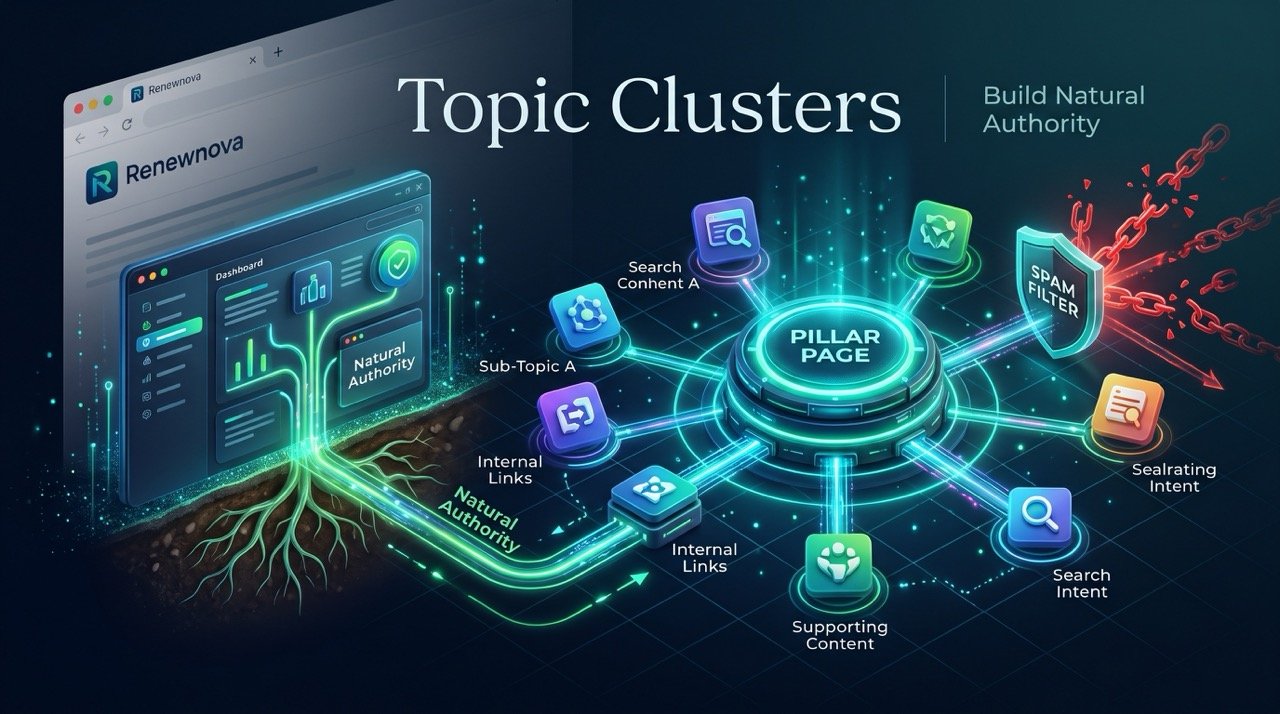
- Topic Clusters: Build Authority Without Publishing Randomly
- A Simple Internal Linking System That Scales
Apply one useful step, measure the result, and continue with the most relevant guide.